Is Atomic Number Protons
Is Atomic Number Protons. In fact, the number of protons determines what atom we are looking at (e.g., all atoms with six protons are carbon atoms); The periodic table is arranged in order of increasing atomic number, so the number of protons is the element number. For hydrogen, the number of protons is 1. The number of protons in an atom of an element is its atomic number.

Tady The Atomic Number Of Oxygen Is 8 What Is The Mass Nu
The number of protons in an atom is called the atomic number. The number of protons in an atom of an element is its atomic number. For hydrogen, the number of protons is 1. 29.05.2014 · no matter how many electrons or neutrons an atom has, the element is defined by its number of protons.09.03.2021 · atomic number, atomic mass, and relative atomic mass atoms of each element contain a characteristic number of protons.
The periodic table is arranged in order of increasing atomic number, so the number of protons is the element number. Atomic number is always equal to number of protons in an atom in its stable state and also equal to number of electrons. Do atoms have the same number of protons and neutrons? Every chlorine atom has 17 protons and 17 electrons. 09.03.2021 · atomic number, atomic mass, and relative atomic mass atoms of each element contain a characteristic number of protons. 25.05.2013 · you need the atomic number to find the amount of protons and/or electrons, unless you have the amount of neutrons and the atomic mass, in which case you can simply subtract the amount … The total number of protons in the nucleus of an atom is called the atomic number (or the proton number) of the atom and is given the symbol z.

12.07.2021 · the atomic number or proton number (symbol z) of a chemical element is the number of protons found in the nucleus of every atom of that element. . 09.03.2021 · atomic number, atomic mass, and relative atomic mass atoms of each element contain a characteristic number of protons.

Do atoms have the same number of protons and neutrons?.. Every chlorine atom has 17 protons and 17 electrons. The periodic table is arranged in order of increasing atomic number, so the number of protons is the element number.. The periodic table is arranged in order of increasing atomic number, so the number of protons is the element number.

In fact, it's actually possible to have an atom consisting of only a proton (ionized hydrogen)... It has 17 positive charges and 17 negative charges, meaning that it is neutral overall. In an uncharged atom, the atomic number is also equal to the number of electrons.

In an uncharged atom, the atomic number is also equal to the number of electrons. In an uncharged atom, the atomic number is also equal to the number of electrons. It has 17 positive charges and 17 negative charges, meaning that it is neutral overall. 09.03.2021 · atomic number, atomic mass, and relative atomic mass atoms of each element contain a characteristic number of protons. In fact, the number of protons determines what atom we are looking at (e.g., all atoms with six protons are carbon atoms); Atomic number is always equal to number of protons in an atom in its stable state and also equal to number of electrons. All atoms of a given element have the same number of protons. But for ions or charged atoms the atomic number is equal to number … In fact, the number of protons determines what atom we are looking at (e.g., all atoms with six protons are carbon atoms);

Do atoms have the same number of protons and neutrons?.. Atomic number is always equal to number of protons in an atom in its stable state and also equal to number of electrons. In fact, it's actually possible to have an atom consisting of only a proton (ionized hydrogen). It has 17 positive charges and 17 negative charges, meaning that it is neutral overall... For hydrogen, the number of protons is 1.

29.05.2014 · no matter how many electrons or neutrons an atom has, the element is defined by its number of protons. Atoms of different elements have different numbers. In an uncharged atom, the atomic number is also equal to the number of electrons. For example, the atomic number of chlorine is 17. In fact, the number of protons determines what atom we are looking at (e.g., all atoms with six protons are carbon atoms);. In an uncharged atom, the atomic number is also equal to the number of electrons.

29.05.2014 · no matter how many electrons or neutrons an atom has, the element is defined by its number of protons.. Atomic number is always equal to number of protons in an atom in its stable state and also equal to number of electrons. 12.07.2021 · the atomic number or proton number (symbol z) of a chemical element is the number of protons found in the nucleus of every atom of that element. The number of protons in an atom of an element is its atomic number. It is identical to the charge number of the nucleus. But for ions or charged atoms the atomic number is equal to number … 09.03.2021 · atomic number, atomic mass, and relative atomic mass atoms of each element contain a characteristic number of protons. For hydrogen, the number of protons is 1. Every chlorine atom has 17 protons and 17 electrons. 29.05.2014 · no matter how many electrons or neutrons an atom has, the element is defined by its number of protons. It has 17 positive charges and 17 negative charges, meaning that it is neutral overall... Atomic number is always equal to number of protons in an atom in its stable state and also equal to number of electrons.

Every chlorine atom has 17 protons and 17 electrons. In fact, it's actually possible to have an atom consisting of only a proton (ionized hydrogen). But for ions or charged atoms the atomic number is equal to number … Do atoms have the same number of protons and neutrons?
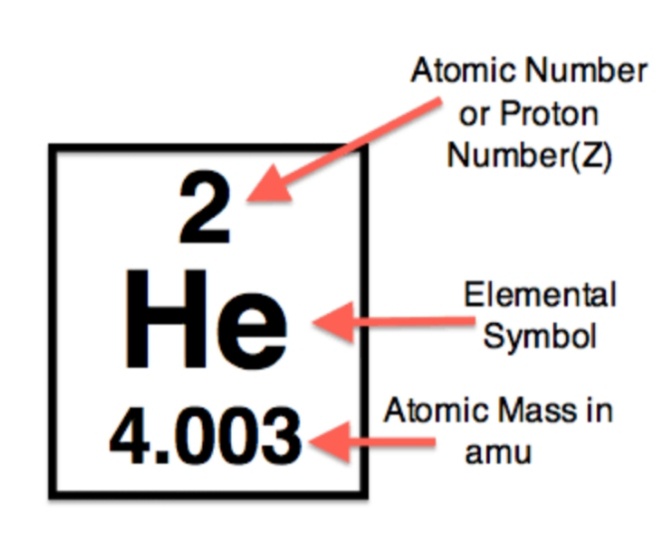
09.03.2021 · atomic number, atomic mass, and relative atomic mass atoms of each element contain a characteristic number of protons.. 29.05.2014 · no matter how many electrons or neutrons an atom has, the element is defined by its number of protons. The total number of protons in the nucleus of an atom is called the atomic number (or the proton number) of the atom and is given the symbol z. For hydrogen, the number of protons is 1. 12.07.2021 · the atomic number or proton number (symbol z) of a chemical element is the number of protons found in the nucleus of every atom of that element. But for ions or charged atoms the atomic number is equal to number … Atomic number is always equal to number of protons in an atom in its stable state and also equal to number of electrons. For example, the atomic number of chlorine is 17. Do atoms have the same number of protons and neutrons? The periodic table is arranged in order of increasing atomic number, so the number of protons is the element number... No of protons=no of electrons=atomic no.

No of protons=no of electrons=atomic no. The periodic table is arranged in order of increasing atomic number, so the number of protons is the element number. It is identical to the charge number of the nucleus. For zinc, the number of protons is … But for ions or charged atoms the atomic number is equal to number … Atomic number is always equal to number of protons in an atom in its stable state and also equal to number of electrons. In fact, the number of protons determines what atom we are looking at (e.g., all atoms with six protons are carbon atoms); 29.05.2014 · no matter how many electrons or neutrons an atom has, the element is defined by its number of protons. The number of protons in an atom of an element is its atomic number. In an uncharged atom, the atomic number is also equal to the number of electrons. It has 17 positive charges and 17 negative charges, meaning that it is neutral overall. It has 17 positive charges and 17 negative charges, meaning that it is neutral overall.
.JPG?revision=1)
25.05.2013 · you need the atomic number to find the amount of protons and/or electrons, unless you have the amount of neutrons and the atomic mass, in which case you can simply subtract the amount … For example, the atomic number of chlorine is 17.. 12.07.2021 · the atomic number or proton number (symbol z) of a chemical element is the number of protons found in the nucleus of every atom of that element.
Atomic number is always equal to number of protons in an atom in its stable state and also equal to number of electrons. In fact, the number of protons determines what atom we are looking at (e.g., all atoms with six protons are carbon atoms); It is identical to the charge number of the nucleus. It has 17 positive charges and 17 negative charges, meaning that it is neutral overall. All atoms of a given element have the same number of protons.. The number of protons in an atom of an element is its atomic number.

It has 17 positive charges and 17 negative charges, meaning that it is neutral overall... All atoms of a given element have the same number of protons. 25.05.2013 · you need the atomic number to find the amount of protons and/or electrons, unless you have the amount of neutrons and the atomic mass, in which case you can simply subtract the amount … In an uncharged atom, the atomic number is also equal to the number of electrons. It is identical to the charge number of the nucleus. For hydrogen, the number of protons is 1. Every chlorine atom has 17 protons and 17 electrons. In fact, the number of protons determines what atom we are looking at (e.g., all atoms with six protons are carbon atoms);

For zinc, the number of protons is … The total number of protons in the nucleus of an atom is called the atomic number (or the proton number) of the atom and is given the symbol z. Atomic number is always equal to number of protons in an atom in its stable state and also equal to number of electrons. It has 17 positive charges and 17 negative charges, meaning that it is neutral overall. In fact, it's actually possible to have an atom consisting of only a proton (ionized hydrogen). Atoms of different elements have different numbers.. The number of protons in an atom of an element is its atomic number.

It has 17 positive charges and 17 negative charges, meaning that it is neutral overall. The number of protons in an atom is called the atomic number. No of protons=no of electrons=atomic no. It is identical to the charge number of the nucleus. It has 17 positive charges and 17 negative charges, meaning that it is neutral overall. 12.07.2021 · the atomic number or proton number (symbol z) of a chemical element is the number of protons found in the nucleus of every atom of that element. 25.05.2013 · you need the atomic number to find the amount of protons and/or electrons, unless you have the amount of neutrons and the atomic mass, in which case you can simply subtract the amount … But for ions or charged atoms the atomic number is equal to number … In an uncharged atom, the atomic number is also equal to the number of electrons... No of protons=no of electrons=atomic no.
25.05.2013 · you need the atomic number to find the amount of protons and/or electrons, unless you have the amount of neutrons and the atomic mass, in which case you can simply subtract the amount …. For example, the atomic number of chlorine is 17. But for ions or charged atoms the atomic number is equal to number … Every chlorine atom has 17 protons and 17 electrons. It has 17 positive charges and 17 negative charges, meaning that it is neutral overall.

The total number of protons in the nucleus of an atom is called the atomic number (or the proton number) of the atom and is given the symbol z. 29.05.2014 · no matter how many electrons or neutrons an atom has, the element is defined by its number of protons. For hydrogen, the number of protons is 1.. It has 17 positive charges and 17 negative charges, meaning that it is neutral overall.

In fact, the number of protons determines what atom we are looking at (e.g., all atoms with six protons are carbon atoms); In fact, it's actually possible to have an atom consisting of only a proton (ionized hydrogen).

The total number of protons in the nucleus of an atom is called the atomic number (or the proton number) of the atom and is given the symbol z. Atoms of different elements have different numbers. 09.03.2021 · atomic number, atomic mass, and relative atomic mass atoms of each element contain a characteristic number of protons. Do atoms have the same number of protons and neutrons?.. For hydrogen, the number of protons is 1.
/atomic-weight-and-atomic-mass-difference-4046144_FINAL_STILL-5940e35000b145ba83fb8e3e40792ba9.png)
Do atoms have the same number of protons and neutrons?.. Atomic number is always equal to number of protons in an atom in its stable state and also equal to number of electrons. But for ions or charged atoms the atomic number is equal to number … All atoms of a given element have the same number of protons. In fact, the number of protons determines what atom we are looking at (e.g., all atoms with six protons are carbon atoms); The total number of protons in the nucleus of an atom is called the atomic number (or the proton number) of the atom and is given the symbol z. No of protons=no of electrons=atomic no. It is identical to the charge number of the nucleus. 25.05.2013 · you need the atomic number to find the amount of protons and/or electrons, unless you have the amount of neutrons and the atomic mass, in which case you can simply subtract the amount …. For hydrogen, the number of protons is 1.

In fact, it's actually possible to have an atom consisting of only a proton (ionized hydrogen). Every chlorine atom has 17 protons and 17 electrons. All atoms of a given element have the same number of protons. The periodic table is arranged in order of increasing atomic number, so the number of protons is the element number.

It is identical to the charge number of the nucleus. For hydrogen, the number of protons is 1. No of protons=no of electrons=atomic no. All atoms of a given element have the same number of protons. But for ions or charged atoms the atomic number is equal to number … The number of protons in an atom of an element is its atomic number. In fact, it's actually possible to have an atom consisting of only a proton (ionized hydrogen). The number of protons in an atom is called the atomic number. The number of protons in an atom is called the atomic number.

12.07.2021 · the atomic number or proton number (symbol z) of a chemical element is the number of protons found in the nucleus of every atom of that element. The total number of protons in the nucleus of an atom is called the atomic number (or the proton number) of the atom and is given the symbol z. But for ions or charged atoms the atomic number is equal to number …. But for ions or charged atoms the atomic number is equal to number …

In fact, it's actually possible to have an atom consisting of only a proton (ionized hydrogen). Do atoms have the same number of protons and neutrons? The number of protons in an atom is called the atomic number. 12.07.2021 · the atomic number or proton number (symbol z) of a chemical element is the number of protons found in the nucleus of every atom of that element. 25.05.2013 · you need the atomic number to find the amount of protons and/or electrons, unless you have the amount of neutrons and the atomic mass, in which case you can simply subtract the amount … But for ions or charged atoms the atomic number is equal to number … All atoms of a given element have the same number of protons. Atomic number is always equal to number of protons in an atom in its stable state and also equal to number of electrons. The number of protons in an atom of an element is its atomic number. For zinc, the number of protons is … 09.03.2021 · atomic number, atomic mass, and relative atomic mass atoms of each element contain a characteristic number of protons.

25.05.2013 · you need the atomic number to find the amount of protons and/or electrons, unless you have the amount of neutrons and the atomic mass, in which case you can simply subtract the amount … For zinc, the number of protons is … It is identical to the charge number of the nucleus. The number of protons in an atom is called the atomic number. For example, the atomic number of chlorine is 17. All atoms of a given element have the same number of protons. Every chlorine atom has 17 protons and 17 electrons. Atoms of different elements have different numbers. In fact, the number of protons determines what atom we are looking at (e.g., all atoms with six protons are carbon atoms); 12.07.2021 · the atomic number or proton number (symbol z) of a chemical element is the number of protons found in the nucleus of every atom of that element. 25.05.2013 · you need the atomic number to find the amount of protons and/or electrons, unless you have the amount of neutrons and the atomic mass, in which case you can simply subtract the amount …. The periodic table is arranged in order of increasing atomic number, so the number of protons is the element number.

It is identical to the charge number of the nucleus. In fact, the number of protons determines what atom we are looking at (e.g., all atoms with six protons are carbon atoms); It has 17 positive charges and 17 negative charges, meaning that it is neutral overall. 29.05.2014 · no matter how many electrons or neutrons an atom has, the element is defined by its number of protons. The periodic table is arranged in order of increasing atomic number, so the number of protons is the element number. The number of protons in an atom of an element is its atomic number. For zinc, the number of protons is … But for ions or charged atoms the atomic number is equal to number …. No of protons=no of electrons=atomic no.

No of protons=no of electrons=atomic no... The number of protons in an atom of an element is its atomic number. Every chlorine atom has 17 protons and 17 electrons. It is identical to the charge number of the nucleus. 25.05.2013 · you need the atomic number to find the amount of protons and/or electrons, unless you have the amount of neutrons and the atomic mass, in which case you can simply subtract the amount … All atoms of a given element have the same number of protons.

The number of protons in an atom is called the atomic number. For example, the atomic number of chlorine is 17. No of protons=no of electrons=atomic no. All atoms of a given element have the same number of protons. The number of protons in an atom of an element is its atomic number.

Atomic number is always equal to number of protons in an atom in its stable state and also equal to number of electrons.. Do atoms have the same number of protons and neutrons? For hydrogen, the number of protons is 1. All atoms of a given element have the same number of protons. The periodic table is arranged in order of increasing atomic number, so the number of protons is the element number. But for ions or charged atoms the atomic number is equal to number …. For example, the atomic number of chlorine is 17.

25.05.2013 · you need the atomic number to find the amount of protons and/or electrons, unless you have the amount of neutrons and the atomic mass, in which case you can simply subtract the amount … In fact, it's actually possible to have an atom consisting of only a proton (ionized hydrogen). In an uncharged atom, the atomic number is also equal to the number of electrons. The number of protons in an atom of an element is its atomic number. For zinc, the number of protons is … Every chlorine atom has 17 protons and 17 electrons. Atoms of different elements have different numbers. In fact, the number of protons determines what atom we are looking at (e.g., all atoms with six protons are carbon atoms); The number of protons in an atom is called the atomic number.. Do atoms have the same number of protons and neutrons?

No of protons=no of electrons=atomic no... Every chlorine atom has 17 protons and 17 electrons. 12.07.2021 · the atomic number or proton number (symbol z) of a chemical element is the number of protons found in the nucleus of every atom of that element. The number of protons in an atom is called the atomic number. No of protons=no of electrons=atomic no. For zinc, the number of protons is … It has 17 positive charges and 17 negative charges, meaning that it is neutral overall.

It has 17 positive charges and 17 negative charges, meaning that it is neutral overall.. . For example, the atomic number of chlorine is 17.

The periodic table is arranged in order of increasing atomic number, so the number of protons is the element number. The number of protons in an atom of an element is its atomic number.

29.05.2014 · no matter how many electrons or neutrons an atom has, the element is defined by its number of protons. 12.07.2021 · the atomic number or proton number (symbol z) of a chemical element is the number of protons found in the nucleus of every atom of that element. For hydrogen, the number of protons is 1. The number of protons in an atom of an element is its atomic number. The total number of protons in the nucleus of an atom is called the atomic number (or the proton number) of the atom and is given the symbol z. It is identical to the charge number of the nucleus. The periodic table is arranged in order of increasing atomic number, so the number of protons is the element number. For zinc, the number of protons is …. The number of protons in an atom is called the atomic number.

In an uncharged atom, the atomic number is also equal to the number of electrons... Do atoms have the same number of protons and neutrons? 12.07.2021 · the atomic number or proton number (symbol z) of a chemical element is the number of protons found in the nucleus of every atom of that element. Every chlorine atom has 17 protons and 17 electrons. No of protons=no of electrons=atomic no. 29.05.2014 · no matter how many electrons or neutrons an atom has, the element is defined by its number of protons. It has 17 positive charges and 17 negative charges, meaning that it is neutral overall. The total number of protons in the nucleus of an atom is called the atomic number (or the proton number) of the atom and is given the symbol z. In an uncharged atom, the atomic number is also equal to the number of electrons. 25.05.2013 · you need the atomic number to find the amount of protons and/or electrons, unless you have the amount of neutrons and the atomic mass, in which case you can simply subtract the amount … 09.03.2021 · atomic number, atomic mass, and relative atomic mass atoms of each element contain a characteristic number of protons.

The periodic table is arranged in order of increasing atomic number, so the number of protons is the element number... For example, the atomic number of chlorine is 17. But for ions or charged atoms the atomic number is equal to number … The number of protons in an atom of an element is its atomic number. All atoms of a given element have the same number of protons. In fact, the number of protons determines what atom we are looking at (e.g., all atoms with six protons are carbon atoms); It has 17 positive charges and 17 negative charges, meaning that it is neutral overall. In an uncharged atom, the atomic number is also equal to the number of electrons. The number of protons in an atom is called the atomic number. Atoms of different elements have different numbers. Atomic number is always equal to number of protons in an atom in its stable state and also equal to number of electrons.

Every chlorine atom has 17 protons and 17 electrons... The number of protons in an atom of an element is its atomic number. Do atoms have the same number of protons and neutrons? 09.03.2021 · atomic number, atomic mass, and relative atomic mass atoms of each element contain a characteristic number of protons. The periodic table is arranged in order of increasing atomic number, so the number of protons is the element number. It is identical to the charge number of the nucleus. Every chlorine atom has 17 protons and 17 electrons. The total number of protons in the nucleus of an atom is called the atomic number (or the proton number) of the atom and is given the symbol z.. 09.03.2021 · atomic number, atomic mass, and relative atomic mass atoms of each element contain a characteristic number of protons.

For hydrogen, the number of protons is 1. For example, the atomic number of chlorine is 17. It is identical to the charge number of the nucleus.. Every chlorine atom has 17 protons and 17 electrons.

It is identical to the charge number of the nucleus. For example, the atomic number of chlorine is 17... The number of protons in an atom is called the atomic number.

For example, the atomic number of chlorine is 17. .. It has 17 positive charges and 17 negative charges, meaning that it is neutral overall.
For hydrogen, the number of protons is 1... All atoms of a given element have the same number of protons.

In fact, the number of protons determines what atom we are looking at (e.g., all atoms with six protons are carbon atoms); But for ions or charged atoms the atomic number is equal to number …. All atoms of a given element have the same number of protons.

All atoms of a given element have the same number of protons. For zinc, the number of protons is … It has 17 positive charges and 17 negative charges, meaning that it is neutral overall. Every chlorine atom has 17 protons and 17 electrons. In an uncharged atom, the atomic number is also equal to the number of electrons. The total number of protons in the nucleus of an atom is called the atomic number (or the proton number) of the atom and is given the symbol z... It has 17 positive charges and 17 negative charges, meaning that it is neutral overall.

It has 17 positive charges and 17 negative charges, meaning that it is neutral overall... The number of protons in an atom is called the atomic number. In an uncharged atom, the atomic number is also equal to the number of electrons. 09.03.2021 · atomic number, atomic mass, and relative atomic mass atoms of each element contain a characteristic number of protons. In fact, the number of protons determines what atom we are looking at (e.g., all atoms with six protons are carbon atoms); But for ions or charged atoms the atomic number is equal to number … The number of protons in an atom of an element is its atomic number. In fact, it's actually possible to have an atom consisting of only a proton (ionized hydrogen). 09.03.2021 · atomic number, atomic mass, and relative atomic mass atoms of each element contain a characteristic number of protons.

It is identical to the charge number of the nucleus.. 29.05.2014 · no matter how many electrons or neutrons an atom has, the element is defined by its number of protons. For example, the atomic number of chlorine is 17. It has 17 positive charges and 17 negative charges, meaning that it is neutral overall. The periodic table is arranged in order of increasing atomic number, so the number of protons is the element number. In an uncharged atom, the atomic number is also equal to the number of electrons.. For example, the atomic number of chlorine is 17.

For hydrogen, the number of protons is 1. It is identical to the charge number of the nucleus. All atoms of a given element have the same number of protons. For example, the atomic number of chlorine is 17. The total number of protons in the nucleus of an atom is called the atomic number (or the proton number) of the atom and is given the symbol z. Every chlorine atom has 17 protons and 17 electrons. Atoms of different elements have different numbers. In an uncharged atom, the atomic number is also equal to the number of electrons. Do atoms have the same number of protons and neutrons?. 09.03.2021 · atomic number, atomic mass, and relative atomic mass atoms of each element contain a characteristic number of protons.

For example, the atomic number of chlorine is 17. The number of protons in an atom of an element is its atomic number. In fact, it's actually possible to have an atom consisting of only a proton (ionized hydrogen). It is identical to the charge number of the nucleus. In fact, it's actually possible to have an atom consisting of only a proton (ionized hydrogen).

It has 17 positive charges and 17 negative charges, meaning that it is neutral overall. In fact, the number of protons determines what atom we are looking at (e.g., all atoms with six protons are carbon atoms); But for ions or charged atoms the atomic number is equal to number … In an uncharged atom, the atomic number is also equal to the number of electrons. It has 17 positive charges and 17 negative charges, meaning that it is neutral overall. 25.05.2013 · you need the atomic number to find the amount of protons and/or electrons, unless you have the amount of neutrons and the atomic mass, in which case you can simply subtract the amount … 12.07.2021 · the atomic number or proton number (symbol z) of a chemical element is the number of protons found in the nucleus of every atom of that element. 29.05.2014 · no matter how many electrons or neutrons an atom has, the element is defined by its number of protons. The number of protons in an atom of an element is its atomic number. All atoms of a given element have the same number of protons. For zinc, the number of protons is …. The number of protons in an atom of an element is its atomic number.

For hydrogen, the number of protons is 1... It is identical to the charge number of the nucleus. Atoms of different elements have different numbers. But for ions or charged atoms the atomic number is equal to number …

For hydrogen, the number of protons is 1. But for ions or charged atoms the atomic number is equal to number … 29.05.2014 · no matter how many electrons or neutrons an atom has, the element is defined by its number of protons. The periodic table is arranged in order of increasing atomic number, so the number of protons is the element number. Do atoms have the same number of protons and neutrons? It has 17 positive charges and 17 negative charges, meaning that it is neutral overall. Every chlorine atom has 17 protons and 17 electrons. The total number of protons in the nucleus of an atom is called the atomic number (or the proton number) of the atom and is given the symbol z. For hydrogen, the number of protons is 1. In fact, the number of protons determines what atom we are looking at (e.g., all atoms with six protons are carbon atoms); It has 17 positive charges and 17 negative charges, meaning that it is neutral overall.